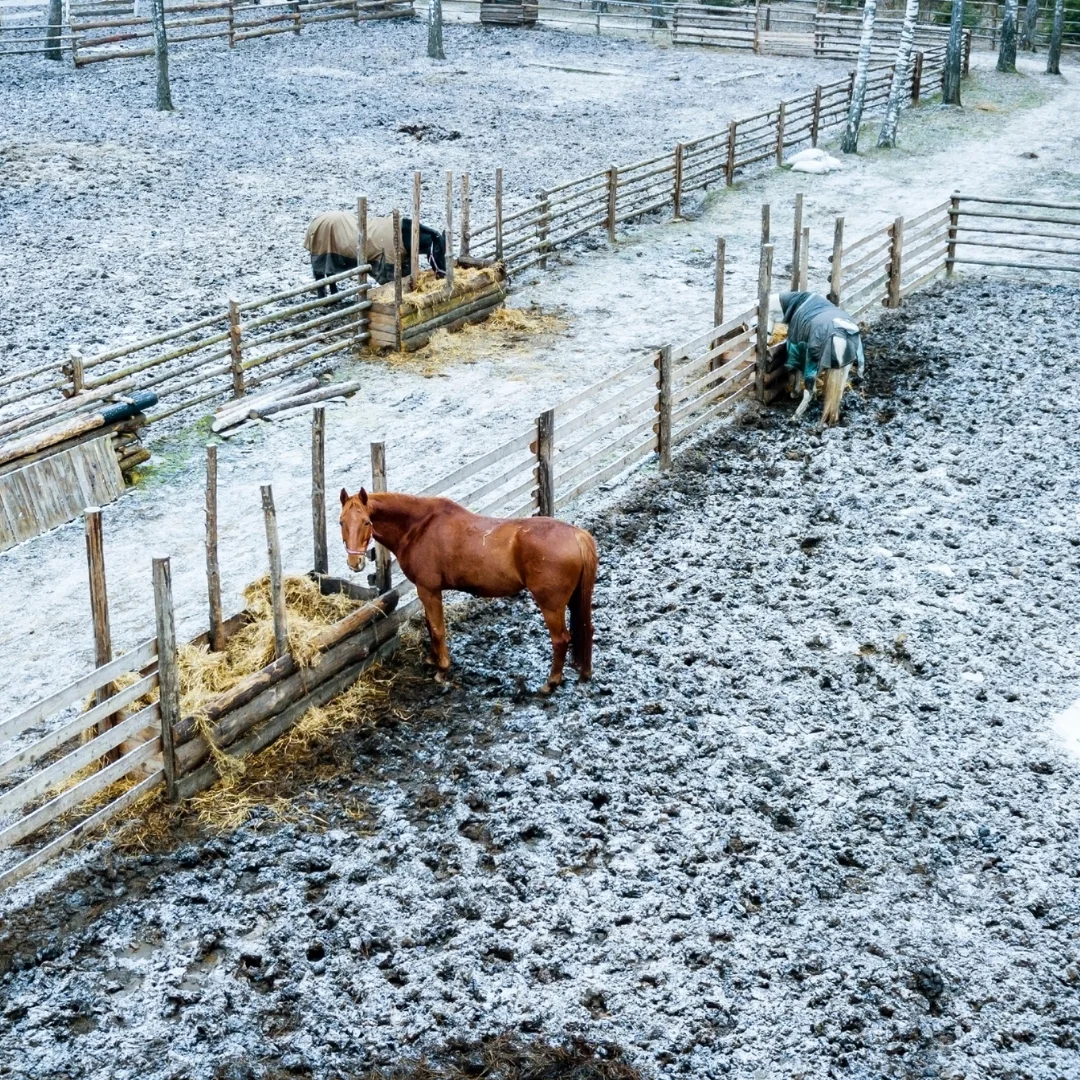
Winter Creates Challenges for Both Horse and Rider
As we all know, winter can mean more issues for horses and their riders. While staying warm at the barn is an obvious struggle, the less visible issues of the colder months often have a much greater impact on your horse’s overall health. In the Mid-South, where temperatures can swing dramatically and moisture levels fluctuate, care in the winter becomes even more important. With the right winter horse care, however, your horse can remain comfortable, active, and healthy all winter long.
The Impact of Increased Stall Time
Increased stall time is one of the most common winter changes for horses across Memphis and North Mississippi. Cold rain, muddy pastures, frozen ground, and shorter daylight hours often lead to more time indoors. Unfortunately, reduced movement can take a toll on both joints and digestion.
Maintaining Joint Health Through Movement
Horses are designed to move. When turnout time is limited, joints become stiff and circulation slows. This stiffness is often mistaken for simple age-related soreness, but in many cases it is directly related to inactivity. Keeping horses moving as consistently as possible is essential. Even when pasture turnout is not feasible, hand-walking, lunging, or light riding in an indoor arena can help maintain flexibility, muscle tone, and joint lubrication.
Supporting Digestive Health
Digestive health is another concern tied closely to limited movement. Horses that stand in stalls for long periods are more susceptible to gastrointestinal issues, including impaction colic. The digestive tract relies on motion to keep feed moving properly. Abrupt changes in routine, combined with less activity, increase the likelihood of discomfort or more serious problems. Making adjustments to exercise schedules gradually whenever possible helps reduce stress on the digestive system.
Winter Dietary Management
As temperatures drop, horses burn more calories to maintain body heat. Owners may increase hay rations or introduce additional concentrates to prevent weight loss. While well intentioned, sudden feed changes are one of the most common triggers for colic during winter.
Switching hay types, feeding a new cutting, or increasing grain amounts should always be done slowly. Gradual transitions over a week to ten days allow the hindgut bacteria to adapt and maintain proper digestive balance. This process is especially important in the Mid-South, where hay availability can change quickly during winter storms or supply shortages.
Weight Management
Weight management becomes a delicate balancing act in the colder months. Some horses maintain weight easily and can gain excess fat when activity levels drop. Others struggle to hold body condition even with increased feed. Working closely with our equine team ensures that weight loss is not related to underlying medical issues, and helps tailor a winter feeding program that supports healthy body weight without upsetting digestion.
Hydration in the Winter
Hydration is another major winter obstacle that is often overlooked. Horses tend to drink less when water is cold, especially if buckets freeze or water sources are partially iced over. Dehydration can quickly lead to serious gastrointestinal problems, including impaction colic.
In Memphis and North Mississippi, temperatures may not remain below freezing for long stretches, but overnight freezes are common. This creates cycles of freezing and thawing that disrupt normal drinking habits. Ensuring that horses have access to fresh, ice-free water at all times is one of the most important winter management steps.
Some horses are particularly sensitive to cold water and may reduce intake significantly. Using heated buckets or insulated covers can encourage consistent drinking. Adding plain salt to the diet may also promote thirst and support hydration. Regularly monitoring water consumption allows owners to spot early warning signs of dehydration before more serious problems develop.
Additional Winter Health Considerations
Respiratory Health
Another subtle winter concern is the effect of cold weather on respiratory health. Closed barns, limited ventilation, and increased dust from hay and bedding can aggravate airways, particularly in horses with underlying sensitivities. Maintaining good airflow while minimizing drafts helps protect lung function. Even during cold months, proper ventilation is critical to preventing respiratory irritation and infection.
Hoof Care
Hoof care also deserves special attention. Wet winter conditions soften hoof walls, while alternating freeze-thaw cycles can lead to cracks and bruising. Regular farrier visits remain essential, even if riding schedules slow. Picking hooves daily helps prevent thrush and allows early detection of changes that could lead to lameness.
Recognizing Behavioral Changes
Behavioral changes are another indicator of winter stress. Horses that become dull, irritable, or less responsive may be communicating discomfort related to joint stiffness, digestive imbalance, or environmental changes. Recognizing these subtle shifts allows owners to intervene before minor issues escalate.
Staying Proactive This Winter
At Full Circle Equine, we see an increase in preventable winter-related conditions every year. Many of these cases stem from reduced activity, dehydration, abrupt feed changes, or missed early warning signs. By focusing on consistent movement, gradual diet adjustments, proper hydration, and close observation, owners can dramatically reduce the risk of seasonal setbacks.
Winter does not have to be a season of decline. With thoughtful care, your horse can enter spring healthy, sound, and ready to perform. The key is staying proactive, not reactive. Paying attention to the small details during colder months preserves not only your horse’s physical health, but also their comfort and quality of life.